Yes, you can rotate tyres at home without turning the driveway into a slapstick sequel—just use the right kit and a calm head.
Grab wheel chocks, a hydraulic jack, two jack stands, a torque wrench (check your car’s spec—often around 100–140 N·m), and a marker to note positions.
For non-directional tyres on front-wheel-drive, move rears to the front and cross them (LR→RF, RR→LF), then take the fronts straight back on the same side; for rear- or all-wheel-drive, do the opposite pattern.
Directional tyres simply swap front↔rear on the same side, and staggered setups may only go side-to-side if allowed by the manufacturer.
Crack the nuts a quarter turn on the ground, jack and support safely, shuffle the wheels, hand-tighten, lower, then torque in a star pattern; recheck after 50–100 km and repeat every 8,000–10,000 km or at oil changes.
While you’re there, set pressures to the placard and make sure tread depth is at least 1.5 mm across the legal area in Australia—if you see cords, bulges or weird wear, stop and see a tyre shop.
 Dogs
 Cars For Sale

 Cars For Sale
 Cars For Sale
 Dogs
 8Home Safety
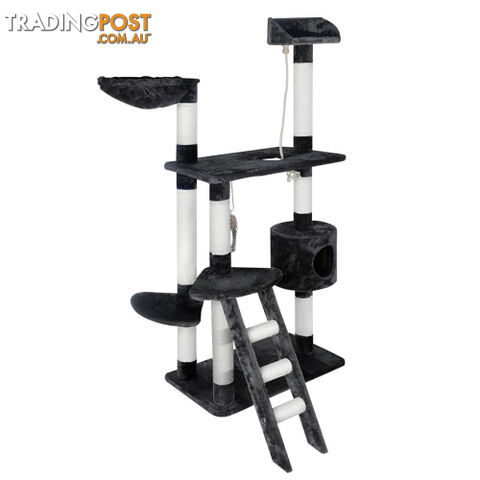 4Cat Food and Accessories
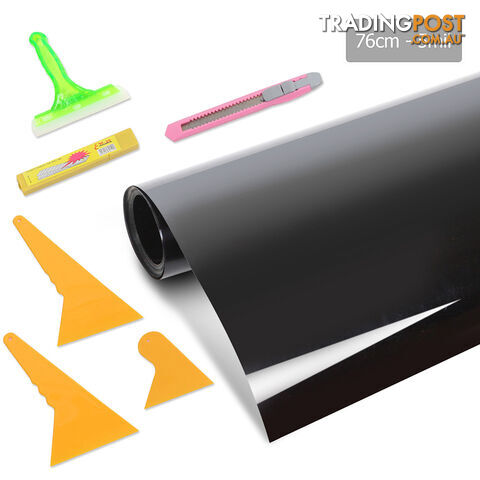 12Window Coverings
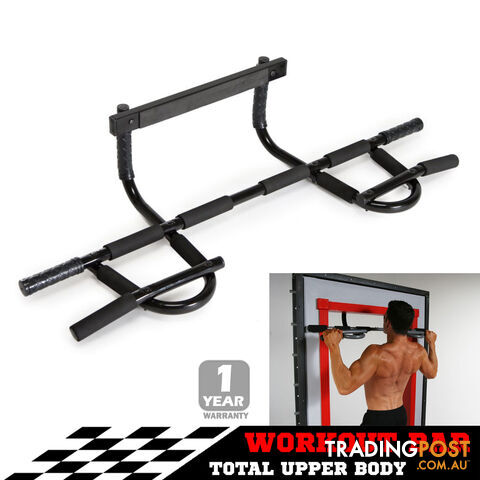 5Other Gym Equipment
 2Home and Kitchen
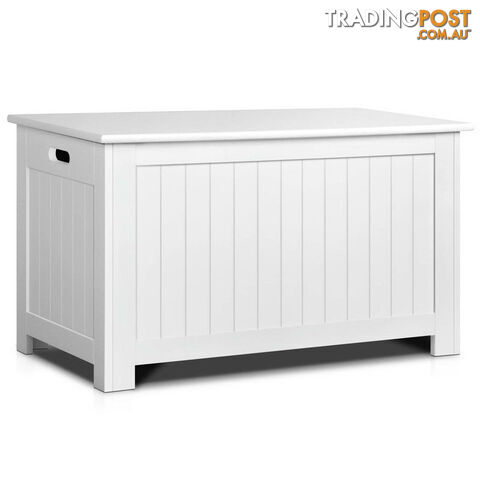 6Household Storage
 9Bedroom

 Appliance Repairs
 15Residential For Sale
 27Cars For Sale
 18Cars For Sale
 24Cars For Sale
 10Houses For Removal

 Houseboats
 Residential For Rent
 14Residential For Rent
 17Residential For Sale
 Appliance Repairs
 Appliance Repairs
 19Businesses For Sale
 24Residential For Sale
 21Residential For Sale
 17Residential For Rent
 24Residential For Rent
 21Residential For Sale
Listing your ad only takes a few minutes, and most categories are free.
Post an adA weekly hand-picked round-up of the best bargains, free stuff, and trending listings. No spam, unsubscribe anytime.
Know someone looking to buy or sell something? Send them to Tradingpost, Australia's original marketplace.
