“To” in Chinese isn’t one-size-fits-all—it’s more Swiss Army knife than spoon. For movement or arrival, use 到 (dào) or just 去 (qù): 我去北京 (I’m going to Beijing), 到学校 (to the school). For “to someone,” pick 给 (gěi), 对 (duì), or 向 (xiàng) depending on nuance: 给你 (to you), 对他来说 (to/for him), 向老师问好 (say hello to the teacher). Ranges are 从 A 到 B (from A to B). And the English infinitive “to do” doesn’t exist—just use the verb, or purpose markers like 要/想/去 + verb or 为了…: 我想学中文 (I want to learn Chinese). Context is king; pick the right tool and you’ll sound less like a sat nav recalculating.
 Other Furnishings and Décor
 Law Humanities and Social Science
 Law Humanities and Social Science
 Other Reference and Textbooks
 Console Games
 Other Reference and Textbooks
 Law Humanities and Social Science
 Law Humanities and Social Science
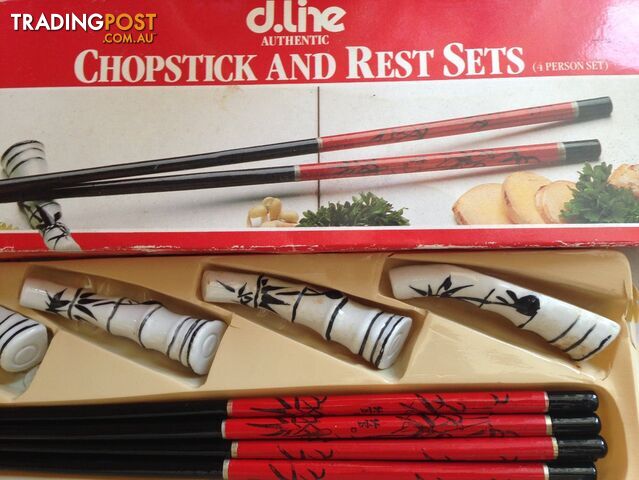 China Glassware and Silverware
 Storage Devices
 Cabinetry and Shelving
 Other Reference and Textbooks
 Cooking
 Other Reference and Textbooks
 Wall Decorations
 Fiction Books
 Law Humanities and Social Science
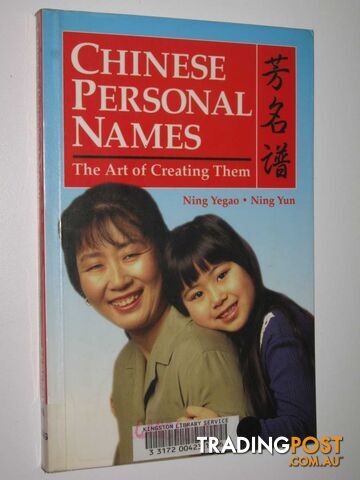 Other Reference and Textbooks
 Other Art
 Other Reference and Textbooks
 Other Reference and Textbooks
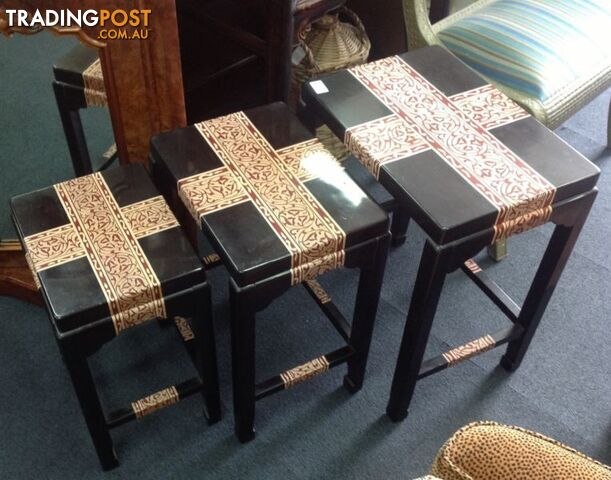 Other Furnishings and Décor
 Other Furnishings and Décor
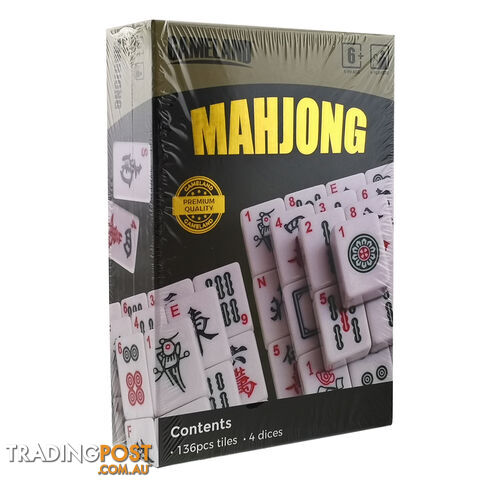 Other Games
 Law Humanities and Social Science
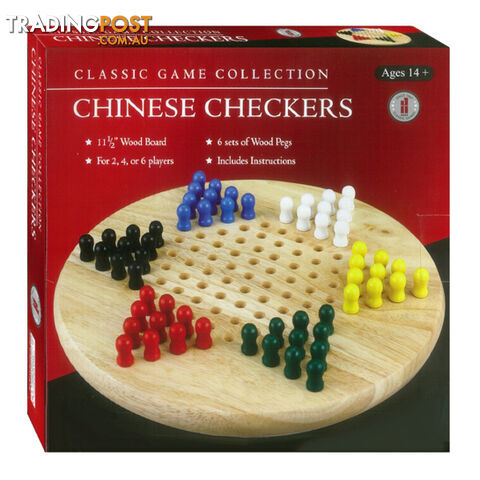 Games
Games Radio Controlled Vehicles
 Biographies
 Law Humanities and Social Science
 Law Humanities and Social Science
Listing your ad only takes a few minutes, and most categories are free.
Post an adA weekly hand-picked round-up of the best bargains, free stuff, and trending listings. No spam, unsubscribe anytime.
