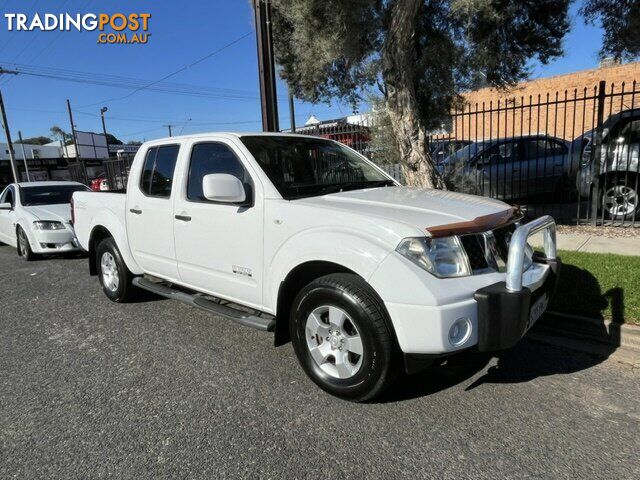
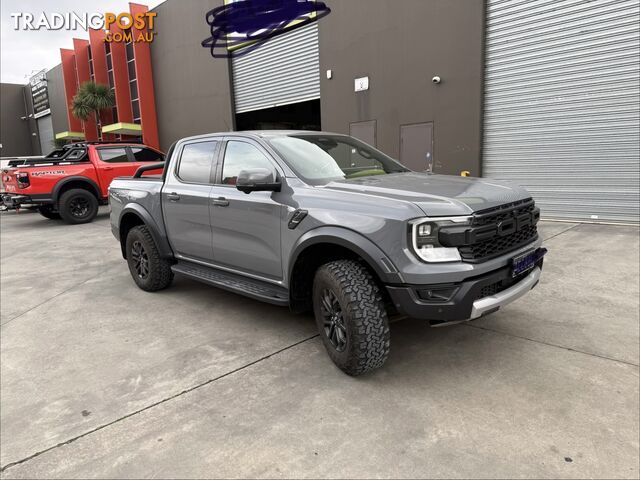
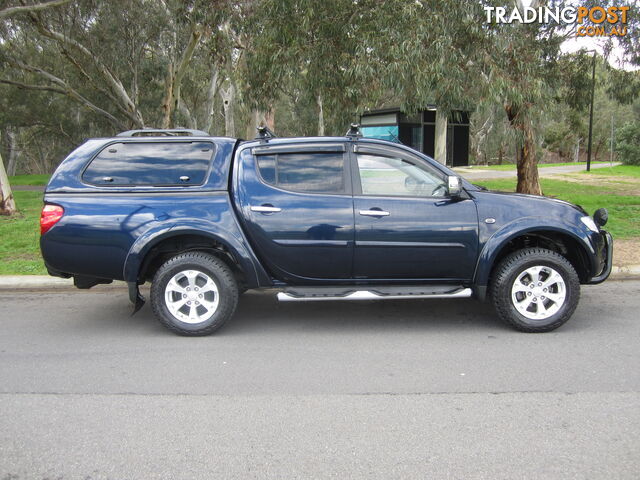
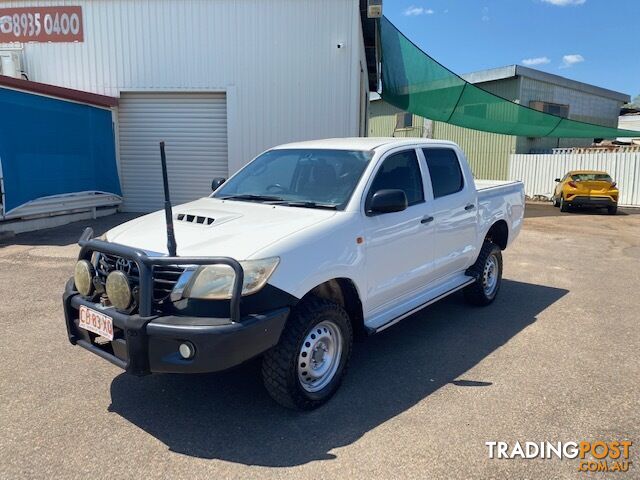
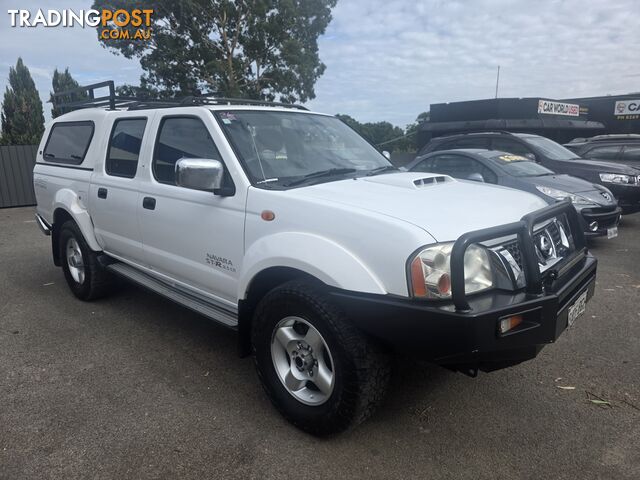
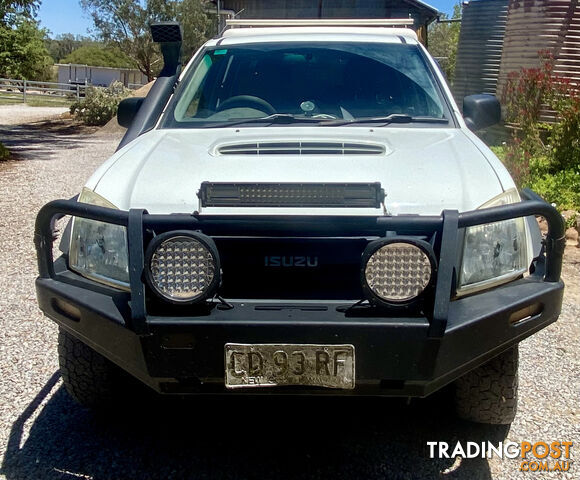
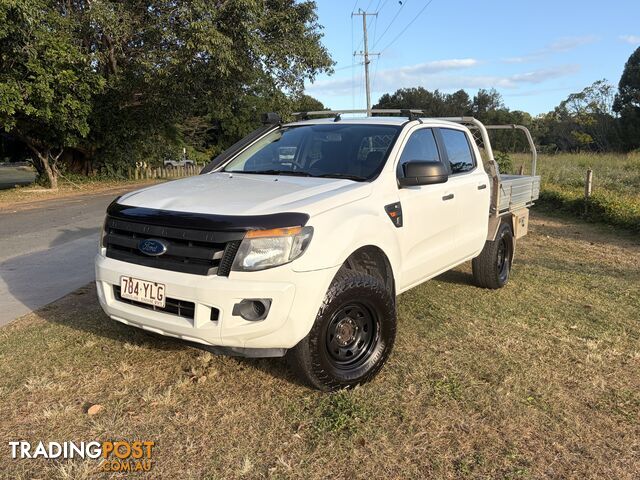
Setting up a work ute is equal parts Lego and OH&S, with a dash of common sense.
Start with the basics: know your GVM and payload, then choose a canopy or tray that won’t blow the weight budget once you add drawers, racks and a full esky.
Fit proper tie-downs, a quality liner, and modular storage; roof or ladder racks should be rated and matched to the vehicle’s limits.
Electrics matter: dual-battery with a DC-DC charger, sealed wiring, decent work lights, and an inverter if you’re running tools; mount a fire extinguisher and first-aid kit where you can actually reach them.
If you’re towing, sort a brake controller, mirrors and weight distribution, and consider suspension upgrades only if engineered and compliant.
Security isn’t optional—lockable drawers, tamper-proof bolts, and GPS tracking beat playing tradie hide-and-seek with thieves.
Keep the heavy stuff low and forward, label everything, and you’ll have a ute that works as hard as you claim you do on the invoice.